Reviewing the Husband Wife Anniversary Gift Design for Embroidery
As a designer who spends more time looking at stitch density and fabric grain than scrolling through social media feeds, I approach every new graphic with a healthy dose of skepticism. The market is saturated with generic clip art, so finding a design that actually holds up under the scrutiny of a real-world embroidery project is rare. That is why I decided to put HUSBAND WIFE ANNIVERSARY GIFT through its paces. This isn’t just about how it looks on a screen; it is about how it translates from a digital asset into a tangible, high-quality handmade product.
The premise is straightforward: this is a graphic intended for print-on-demand (POD) businesses and small shop owners. It positions itself as a jewelry or t-shirt design, but in my experience, the best embroidery designs are versatile enough to transcend their initial category. I wanted to see if this design could stand alone as a meaningful piece of custom apparel or if it would feel like a cheap afterthought when stitched onto fabric.
First Impressions and Visual Personality
When you first load the file, the immediate takeaway is clarity. In the world of machine embroidery, ambiguity is the enemy. A design that relies on tiny, indistinct lines often turns into a muddy blob once the needle starts moving. HUSBAND WIFE ANNIVERSARY GIFT avoids this trap by leaning into bold, legible shapes. The layout feels balanced, suggesting a central focal point that works well for chest placements on sweatshirts or centered layouts on tote bags.
The mood it creates is warm and celebratory without being overly sentimental. For an anniversary gift, you want something that feels special but not cliché. This design strikes that balance. It has a modern aesthetic that fits comfortably within the current trends of minimalist yet impactful embroidery. It does not scream for attention; instead, it invites the viewer to appreciate the craftsmanship behind the stitching. This subtlety is crucial for boutique branding, where you want your products to look professional and curated rather than mass-produced.
Real-World Application: From Screen to Stitch
To truly evaluate this design, I imagined it in several specific scenarios. The first was a custom embroidered tote bag for a local craft fair. Tote bags are a staple for Etsy sellers and craft business owners because they are practical and highly visible. On canvas or heavy cotton, this design would pop. The contrast between the thread colors and the natural fabric texture would enhance the visual appeal, making the finished product feel premium. Customers walking by a booth are drawn to items that look clean and intentional. This design delivers that professionalism.
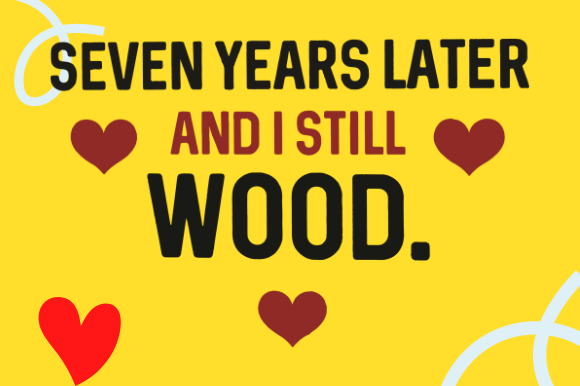
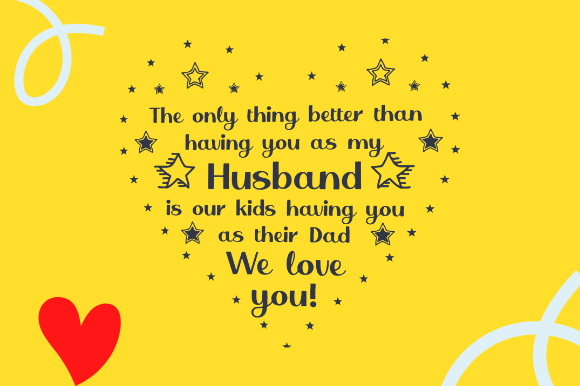
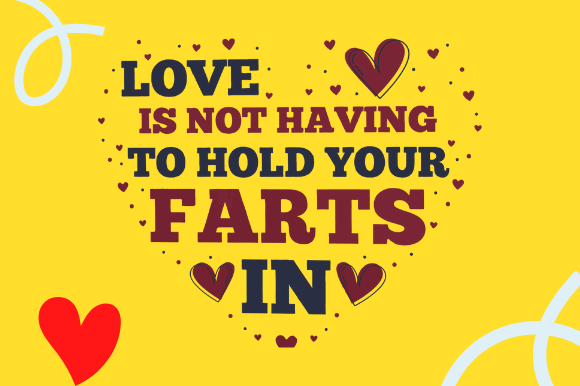
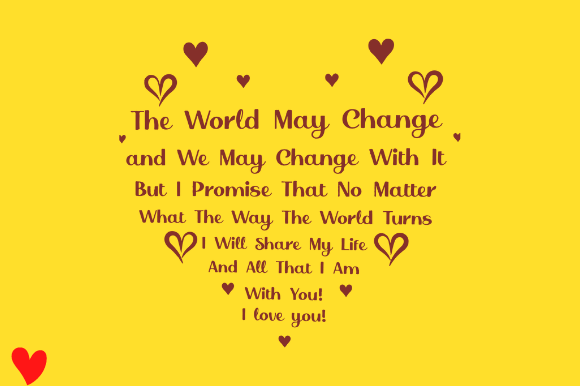
Another scenario I considered was a personalized gift for a couple celebrating a milestone. Here, the design could be applied to a high-quality sweatshirt or a pair of matching aprons. The text "Husband Wife" implies a partnership, which makes it perfect for holiday embroidery projects or wedding gifts. When I visualized the stitch work, I imagined using a combination of satin stitch for the outlines to give it a crisp edge and fill stitch for any solid areas to ensure durability. If executed correctly, the tactile quality of the embroidery adds a layer of value that printed graphics simply cannot match. It transforms a simple garment into a keepsake.
I also thought about its potential as an embroidered patch. Patches are incredibly popular for personalizing denim jackets, baby clothes, and caps. The structure of this design seems robust enough to hold its shape when cut out and backed with iron-on adhesive. For small shop product lines, creating a collection of these patches allows for creative cross-selling opportunities. You can offer them as standalone accessories or bundle them with other handmade products to increase average order value.
Where Caution Is Required
No design is perfect for every application, and HUSBAND WIFE ANNIVERSARY GIFT is no exception. There are specific situations where this graphic might struggle. For instance, attempting to digitize this for a very small hoop size requires careful consideration. If the original vector contains intricate details or thin lettering, scaling it down too much will result in lost definition. I strongly advise testing the design in black and white mockups at various sizes before committing to production. This helps identify if any elements become too dense or if the negative space becomes cluttered.
Fabric choice is another critical factor. While this design likely performs well on stable fabrics like cotton twill or felt, it may present challenges on stretchy materials or textured weaves. Stretchy fabrics can distort the stitching, causing the design to warp. Similarly, on dark fabric, thread color contrast becomes paramount. If the design relies on subtle shading, it might get lost against a black background. I recommend inspecting small details closely and ensuring that the thread colors chosen provide sufficient contrast. Using a proper stabilizer is non-negotiable here to prevent puckering, especially if the design includes large areas of fill stitch.
Additionally, consider the end use of the final product. Items that require frequent washing, such as kitchen towels or baby blankets, need durable construction. Dense stitch areas can sometimes catch on velcro or rough surfaces, so reviewing the stitch direction and density is important. If the design includes decorative accents or layered garments, ensure that the layers do not interfere with each other during the stitching process. Curved surfaces like caps also demand extra care; the design may need slight adjustments to account for the curvature, otherwise, it might look distorted on the finished cap.
Practical Notes for Designers and Sellers
For those of you planning to use this digital embroidery file in your commercial projects, there are a few technical steps you should not skip. First, always test the design on scrap fabric that matches the weight and texture of your final material. This gives you a realistic preview of how the machine embroidery design will behave. Check the stitch density to ensure it is appropriate for the fabric type; too dense, and you risk damaging delicate materials; too sparse, and the design may lack coverage.
Confirm the hoop size limitations of your machine and ensure the design fits comfortably within those bounds. Review the thread colors carefully. Sometimes, what looks good on screen does not translate well in thread form due to sheen or opacity differences. Compare light and dark fabric backgrounds to see which offers the best visual impact. Also, verify whether the design works for both personal and commercial projects. Licensing terms vary widely, and assuming you have the right to sell finished items can lead to legal issues later.
Finally, think about how this design enhances your brand consistency. If your shop focuses on heartfelt, personalized gifts, this design aligns well with that narrative. It supports custom apparel offerings and adds depth to your design assets. By paying attention to these details, you ensure that your customers receive a finished product that reflects positively on your craftsmanship. This level of care builds customer trust and encourages repeat engagement, which is essential for any Etsy seller or creative entrepreneur looking to grow their craft business.
In conclusion, HUSBAND WIFE ANNIVERSARY GIFT is a solid choice for designers looking to add a meaningful, versatile piece to their repertoire. It balances aesthetic appeal with practical usability, making it suitable for a wide range of embroidery projects. Just remember to respect the technical constraints of embroidery, test thoroughly, and choose your materials wisely. When done right, this design can be the centerpiece of a beautiful, cherished gift that stands the test of time.