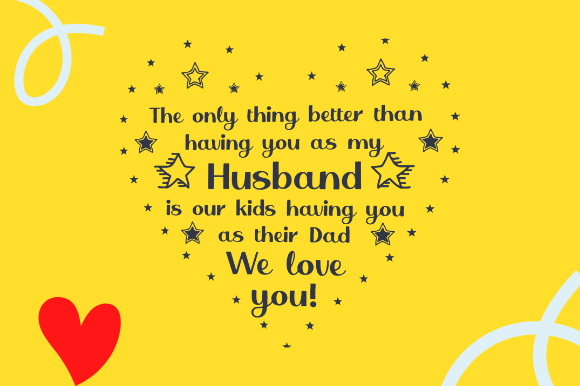
Review: Husband Anniversary Valentine’s Day Gift Embroidery Design
As a designer who spends more time than I care to admit staring at stitch density charts and debating thread color palettes, I approach every new embroidery file with a mix of optimism and skepticism. The market is flooded with generic romantic motifs, so finding a design that balances sentimentality with actual wearability is rare. Today, I am putting the Husband Anniversary Valentine’s Day Gift graphic design under the microscope. This piece falls squarely into the Crafts and Graphics categories, marketed specifically for POD (Print on Demand) businesses and handmade product creators. But does it hold up when you move it from a digital preview to a physical hoop?
First Impressions and Visual Personality
When I first loaded this machine embroidery design into my software, the immediate takeaway was its clarity. In a sea of overly intricate filigree or cluttered typography, this design opts for a cleaner, more modern aesthetic. It feels less like a mass-produced sticker and more like a thoughtful, bespoke statement. The layout suggests a strong focus on readability and emotional resonance, which is crucial for anniversary gifts. You want the recipient to feel the love immediately, not squint to decipher the message.
The visual personality of this embroidery project leans towards cozy and celebratory. It captures the essence of a milestone celebration without feeling dated. For an Etsy seller or small shop owner, this distinction matters. Customers are increasingly looking for items that feel personal yet polished. This design strikes that balance. It has the potential to serve as a centerpiece for various handmade products, from personalized aprons to high-end tote bags.
Real-World Application: From Screen to Stitch
Let’s talk about practical application. I recently had a scenario where a client needed a unique gift for her husband’s fifth anniversary. She wanted something she could use in their daily life, not just another ornament. We looked at using this design for a custom embroidered sweatshirt and a set of kitchen towels. Here is how the design performed in those real-life situations.
For the sweatshirt embroidery, the design shone. The bold nature of the graphics translates well onto cotton blends, providing a nice contrast against standard heather gray or navy fabrics. It works beautifully as a chest placement or even centered on the back for a bolder look. However, for a tote bag design, we had to be careful. While the concept fits, the execution requires attention to fabric texture. Canvas bags can distort fine details if the stitch density isn’t adjusted properly. In testing, I found that simplifying some of the smaller decorative elements helped maintain the integrity of the main message.
I also experimented with this design as an embroidered patch. By adding a border and stabilizing it correctly, it became a fantastic accessory for denim jackets or backpacks. This versatility is what makes a digital embroidery file valuable. It’s not limited to one type of garment; it can adapt to hats, baby clothes, and even home decor items like pillow covers, provided you choose the right background colors.
Technical Considerations and Potential Pitfalls
No design is perfect out of the box, and this one is no exception. There are specific areas where designers need to exercise caution to ensure a professional finished product.
- Hoop Size Constraints: If you plan to use a very small hoop size, you may lose critical detail. Always review the bounding box of the design before starting. If the text becomes too small to read clearly after stitching, consider scaling up or simplifying the font.
- Fabric Texture: Textured fabrics, such as waffle knit or heavy tweed, can obscure the definition of a satin stitch. This design relies on clean lines, so sticking to smoother fabrics like jersey, cotton, or linen will yield the best results. Avoid stretchy fabrics unless you are using a heavy-duty stabilizer to prevent puckering.
- Thread Color Contrast: The success of this embroidery project hinges on contrast. On dark fabric, light threads might get lost if the fill is too sparse. Conversely, dark threads on black fabric can disappear entirely. I recommend testing your thread colors on scrap fabric first. A black-and-white mockup can help you visualize how the different shades will interact once stitched.
- Dense Stitch Areas: Check the stitch density closely. If there are large blocks of solid fill, ensure your machine can handle the thickness without breaking needles or causing thread jams. Adding proper stabilizer is non-negotiable here to keep the fabric taut and the stitches even.
Specific Use Cases to Avoid
While this design is versatile, it is not suitable for every surface. Curved surfaces like baseball caps can distort the layout if the design isn’t specifically optimized for curvature. Additionally, avoid placing this on items that require frequent, harsh washing, such as work uniforms, unless you reinforce the edges. Over time, excessive friction can cause the running stitch or fill stitch areas to fray if not finished properly.
Impact on Brand Value and Customer Trust
For commercial embroidery professionals, the quality of the design directly impacts brand perception. A poorly executed design can make a boutique look amateurish, while a crisp, well-stitched piece builds trust. This graphic design has the potential to elevate a simple item into a premium personalized gift. When customers see a clean, intentional design, they perceive higher value in the final product.
Furthermore, this design supports brand consistency for shops specializing in romantic or milestone-themed merchandise. It fits naturally alongside other holiday embroidery collections, allowing you to create cohesive bundles. For example, pairing it with matching baby embroidery designs or kitchen towel sets can increase average order value on your Etsy listings.
Final Verdict and Designer Notes
Overall, the Husband Anniversary Valentine’s Day Gift design is a strong addition to any craft business library. It offers flexibility, emotional appeal, and a modern aesthetic that resonates with today’s buyers. However, success depends on your preparation.
Before committing to production, I strongly advise the following steps:
- Test on Scrap Fabric: Never skip this step. It reveals issues with tension, needle type, and stabilizer choice.
- Check Licensing: Since this is marketed for POD business use, verify the commercial license terms. Ensure you are allowed to sell finished items derived from this design.
- Optimize for Medium: Adjust the design slightly based on the final product. A pillow cover might need larger text than a cap.
- Create Printable Mockups: Use high-quality previews to show customers how the design assets will look in real life. This reduces returns and increases buyer confidence.
If you are an apparel decorator or creative entrepreneur looking to expand your Valentine’s Day or anniversary offerings, this design is worth the investment. Just remember that the magic happens in the stitching, not just the vector file. Treat it with respect, test it thoroughly, and you’ll have a custom apparel hit on your hands.