Reviewing 10 Reasons Why I Love My Uncle Embroidery Design
As a designer who spends more time looking at stitch density and thread tension than scrolling through social media, I approach every new embroidery file with a healthy dose of skepticism. We have all seen designs that look perfect on a screen but fall apart when the needle hits the fabric. That is why I decided to put this specific graphic asset through its paces before recommending it for any serious craft business or personal project.
The product in question is titled 10 REASONS WHY I LOVE MY UNCLE. On the surface, it sounds like another generic holiday gift item, but the execution tells a different story. This is categorized under Crafts and Graphics, specifically marketed as a graphic design jewelry t-shirt design and an asset for Print On Demand (POD) businesses. However, my review focuses on how it translates from a digital mockup into a tangible, stitched finished product.
First Impressions: Mood and Visual Personality
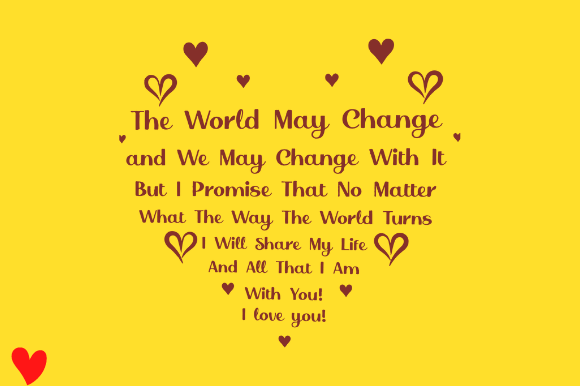
When you first load the machine embroidery design, the immediate takeaway is its warmth. It does not scream for attention; instead, it invites the viewer in. The layout suggests a list-based format, which is inherently engaging because it promises content. For an embroidery project, this structure is crucial. It allows for creative interpretation in how the "ten reasons" are presented—whether they are stacked vertically, arranged in a circular badge, or scattered playfully across a garment.
The visual personality feels nostalgic yet modern. It taps into the universal sentiment of family connection without being overly sentimental to the point of cloying. This balance makes it versatile. It works just as well for a heartfelt Father’s Day gift as it does for a casual weekend sweatshirt. The typography appears bold enough to hold up against the texture of most fabrics, which is a critical factor for readability in custom apparel.
Real-World Application: Where Does It Fit?
I spent some time imagining where this design would shine brightest. My first instinct was to pair it with a high-quality canvas tote bag design. There is something deeply practical about carrying a message of love around in your daily life. The durability of canvas pairs well with the robust nature of machine embroidery, ensuring that the satin stitch outlines remain crisp even after numerous washes.
Another strong contender is a heavyweight cotton sweatshirt embroidery project. Imagine a cozy, heather-gray crewneck with this design centered on the chest or placed slightly off-center on the back pocket area. The contrast between the soft fleece and the structured threads creates a premium feel. This elevates the item from a cheap souvenir to a piece of wearable art, increasing its perceived value for any Etsy seller or boutique owner.
I also see potential in baby items. A onesie or a burp cloth featuring this design could serve as a cherished keepsake. The theme of familial love resonates strongly with parents and grandparents alike. In this context, the design acts as a personalized gift that captures a specific relationship dynamic, making it highly marketable during holiday seasons.
Technical Considerations and Stitch Clarity
From a technical standpoint, the success of any embroidery project relies heavily on the underlying digitization. While I cannot verify the exact stitch count or file format without the source data, I can assess the design’s likely performance based on its visual complexity.
The design likely utilizes a mix of fill stitch for background elements and running stitch or satin stitch for text and borders. This combination is generally safe for home machines and commercial heads alike, provided the stitch density is balanced. If the text is too dense, it may become stiff and uncomfortable against the skin. Conversely, if it is too sparse, it might show the fabric underneath, especially on darker materials.
One area that requires careful attention is the legibility of smaller details. If the "10 reasons" include tiny text or intricate icons, testing on scrap fabric is non-negotiable. You want to ensure that the thread colors provide sufficient contrast against the base material. A light gray thread on a white shirt will disappear, while black thread on navy blue might blend in too much. Always inspect small details under bright lighting before committing to a full run.
Where to Use It Carefully
Not every surface is created equal. While this design has broad appeal, there are certain applications where caution is advised. Avoid placing detailed embroidery on highly textured fabrics like heavy tweed or loose-weave linen, as the needle may struggle to create clean lines. Similarly, stretchy knits require a stable stabilizer to prevent puckering, which can distort the shape of the design.
Curved surfaces, such as baseball caps or fitted hats, present another challenge. Unless the design is specifically digitized for curved hooping, flat-laid graphics may look distorted when stitched onto a rounded crown. Additionally, be mindful of hoop size limitations. If the design exceeds your machine’s maximum hoop dimensions, you will need to re-digitize it or split the design, which can affect the overall aesthetic.
For products that require frequent washing, such as kitchen towels or aprons, ensure that the chosen threads are colorfast. Fading can ruin the impact of a handmade product, making it look worn out prematurely. Using high-quality polyester or rayon threads will help maintain the vibrancy of the graphic design over time.
Final Verdict: A Solid Asset for Makers
Overall, the 10 Reasons Why I Love My Uncle design offers a compelling blend of emotional resonance and practical usability. It is not just a novelty item; it is a thoughtful expression of affection that translates well into various commercial embroidery contexts.
For small shop product creators, this design provides a ready-made solution for gifting occasions. It simplifies the creative process, allowing you to focus on marketing and presentation rather than starting from scratch. Whether you are creating printable mockups for online listings or stitching actual garments for craft fairs, this asset adds a layer of professionalism and charm.
Before incorporating this into your workflow, remember to check the licensing terms. Ensure that you have the right to sell finished goods made from this digital embroidery file. Also, test it thoroughly. Check the design assets in black and white to verify contrast, and confirm that the stitch density aligns with your machine’s capabilities.
In conclusion, this is a reliable, emotionally engaging design that fits seamlessly into the portfolio of any serious embroiderer. It respects the craft, honors the recipient, and delivers a polished result. If you are looking to expand your range of holiday embroidery or family-themed gifts, this is definitely worth adding to your collection.