Review: 16th Card Sixteenth Birthday Embroidery Design
When I pull a new embroidery file into my hoop, I am rarely thinking about the code or the vector paths. I am thinking about the finished product sitting on a customer’s lap or hanging in a boutique window. As a designer who has stitched thousands of files for everything from high-end corporate gifts to quick craft fair impulse buys, I know that 16TH CARD SIXTEENTH BIRTHDAY needs to do more than just look good on a screen. It needs to stitch cleanly, hold its shape, and convey the right emotional weight for a milestone occasion.
I recently evaluated this design with a specific scenario in mind: creating a personalized gift for a client’s daughter turning sixteen. This is a pivotal age—somewhere between childhood and adulthood—and the merchandise needs to reflect that transition. The goal was to create a premium-feeling item that felt handmade but maintained professional consistency. Here is my practical breakdown of how 16TH CARD SIXTEENTH BIRTHDAY performs as a machine embroidery design and whether it deserves a spot in your commercial inventory.
First Impressions and Visual Personality
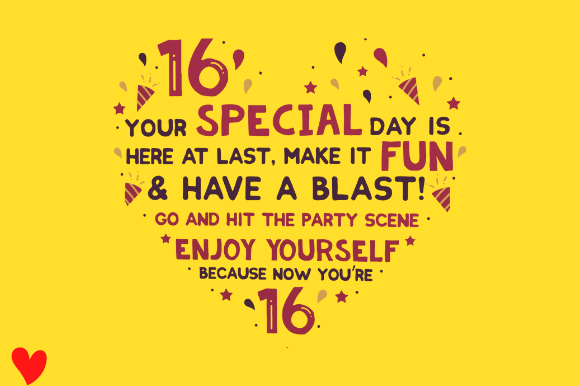
The moment you load the embroidery file, the layout tells a clear story. The design leans heavily into the "card" aesthetic, which immediately suggests nostalgia, tradition, and celebration. For a sixteenth birthday, this works well because it bridges the gap between youthful fun and mature recognition. The visual personality is clean and structured, avoiding the cluttered look that often plagues generic holiday designs.
From a graphic design standpoint, the balance of negative space is crucial here. If the text is too dense, the stitching can become muddy. In this case, the spacing allows each element to breathe. When I previewed this in black and white mockups, the contrast held up well, suggesting that thread color choices will be flexible. Whether you opt for classic gold and white for a luxurious feel or bright pinks and teals for a playful vibe, the underlying structure supports both directions. It feels like a handmade product that has been carefully curated rather than mass-produced.
Real-World Application: The Tote Bag Scenario
To test the true potential of 16TH CARD SIXTEENTH BIRTHDAY, I imagined placing it on a canvas tote bag. This is a staple item for any Etsy seller or small shop product line targeting teenagers. A tote bag is a blank canvas, but it presents unique challenges regarding fabric texture and stability.
When embroidering onto a thick canvas, the design’s detail level becomes the deciding factor. Because this design features card-like elements, it likely utilizes a mix of satin stitch for outlines and fill stitch for backgrounds. On a sturdy cotton canvas, these stitches lay flat and create a tactile, raised effect that customers love. The design sits well centered, making it an ideal focal point. However, if you were to attempt this on a very thin, stretchy jersey fabric without proper stabilization, the "card" shape might distort. This highlights why choosing the right substrate is part of the design’s success. For a custom apparel project like a sweatshirt, the design would also shine, offering a cozy yet stylish statement piece for a teen’s wardrobe.
Performance Across Different Textiles and Garments
Versatility is key for designers looking to maximize their design assets. Here is how 16TH CARD SIXTEENTH BIRTHDAY translates across various common products:
- Sweatshirt Embroidery: The design’s blocky, card-inspired shapes work exceptionally well on fleece or cotton blends. The stitch density appears balanced enough to prevent puckering while still providing a bold presence on the chest or back of a hoodie.
- Baby Embroidery: While sixteenth birthdays are not for babies, this design’s aesthetic could easily be adapted or scaled down for younger siblings’ gifts or nursery decor. The clean lines ensure it looks cute on a onesie or a small blanket, provided the hoop size accommodates the scale.
- Embroidered Patch: Converting this into a detachable patch is a smart move for craft business owners. The defined edges make it easy to add a backing, allowing customers to iron or sew it onto denim jackets or backpacks. This adds value by turning a single purchase into a customizable accessory.
- Holiday Embroidery: Although targeted at birthdays, the "card" theme has a universal appeal. It could be repurposed for graduation or anniversary gifts, extending the lifecycle of the design asset beyond a single niche.
Areas Requiring Careful Execution
No design is perfect for every situation, and being honest about limitations builds trust with your buyers. There are specific scenarios where 16TH CARD SIXTEENTH BIRTHDAY requires extra attention:
- Small Hoop Sizes: If you are working with limited hoop space, you must ensure the design scales down without losing legibility. Tiny lettering on a card design can become illegible once stitched, especially if the thread tension varies. Always check the minimum recommended hoop size before committing to a small project like a cap or a baby bib.
- Textured Fabrics: Avoid using this design on heavily textured fabrics like bouclé or thick terry cloth unless you are using a heavy-duty stabilizer. The fabric texture can interfere with the precision of the satin stitch borders, leading to jagged edges.
- Dense Stitch Areas: Inspect the areas with high stitch density closely. If the fill is too tight, it can cause the fabric to pucker, particularly on lightweight materials. Testing on scrap fabric is non-negotiable here.
- Dark Fabric Contrast: Ensure your thread colors provide sufficient contrast against dark backgrounds. A light-colored card design on black fabric might get lost if the thread isn’t opaque enough. White or metallic threads usually perform best here.
Practical Designer Notes for Commercial Use
Before adding this to your catalog of digital embroidery files, consider these technical checks:
Stabilizer Selection: Because this design likely involves precise geometric shapes, a cut-away stabilizer is recommended for woven fabrics to maintain integrity during washing. For knits, a tear-away might suffice if the design area is small, but a wash-away backing can help with delicate fabrics.
Thread Color Planning: Don’t just stick to the default colorway. Experiment with monochromatic schemes for a modern look or vibrant multi-color setups for a festive vibe. The versatility of the graphics allows for creative interpretation.
Licensing and Commercial Rights: As a creative entrepreneur, you must confirm the licensing terms. Does the purchase allow for unlimited commercial use of the finished product? Can you sell digital mockups? Clarifying this protects your brand consistency and legal standing.
Mockup Presentation: When listing this as a printable mockup or physical item, show it in context. A photo of the design on a folded sweatshirt next to a birthday cake gives the buyer a better sense of scale and mood than a flat scan ever could. This enhances buyer engagement and reduces returns due to mismatched expectations.
Final Verdict
16TH CARD SIXTEENTH BIRTHDAY is a solid addition to any craft business library. It strikes a balance between nostalgic charm and modern simplicity, making it appealing to a wide range of ages. It performs well on staples like tote bags, caps, and apparel, provided the fabric choice is appropriate. For designers looking to offer personalized gifts that feel special and professionally executed, this design delivers. Just remember to test, stabilize, and present it well. When done right, it transforms from a simple digital file into a cherished keepsake.