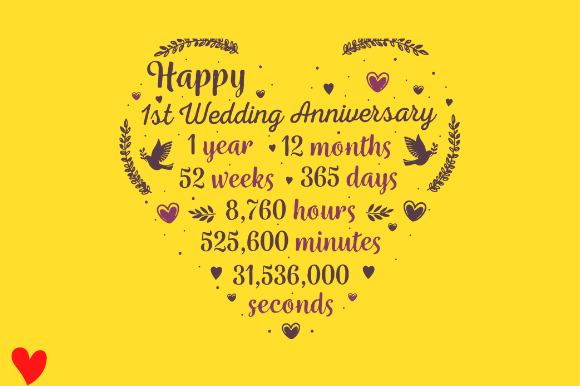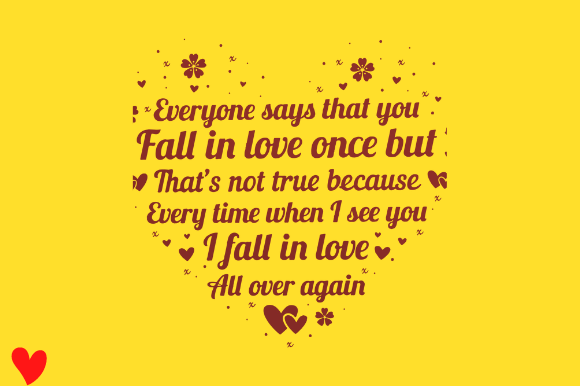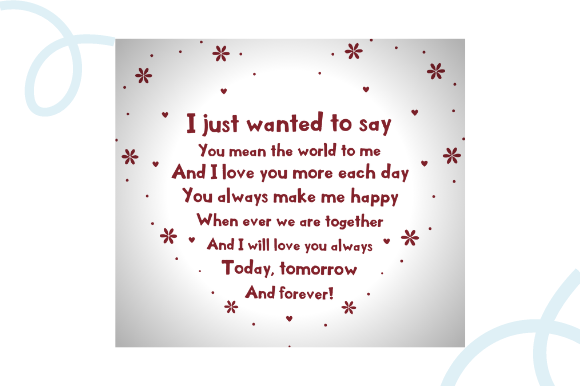
First 1st Christmas Anniversary Gift Review
As a designer who spends half my life staring at digitized files and the other half wrestling with thread tension, I don’t just look at an embroidery design; I evaluate its potential for real-world application. When First 1st Christmas Anniversary Gift landed on my desk, my first instinct wasn’t to admire the typography, but to ask: "Where does this actually live?" In the crowded market of handmade gifts and POD (Print On Demand) merchandise, a design needs more than just a cute phrase—it needs structural integrity, clear visual hierarchy, and emotional resonance that survives the stitching process.
This review breaks down how this specific graphic translates from a digital asset into a tangible handmade product. Whether you are an Etsy seller, a boutique owner, or a crafter looking to add value to your personal projects, understanding the nuances of this design is crucial before you hit the start button on your machine.
First Impressions and Visual Mood
The moment you open the file, the intent is clear. This isn’t abstract art; it’s a direct communication piece designed for gifting. The mood is warm, celebratory, and slightly nostalgic. For a holiday embroidery project, capturing that sense of cozy celebration is difficult because holiday designs often tip into clutter. However, First 1st Christmas Anniversary Gift manages to balance text-heavy content with enough negative space to breathe.
Visually, the layout suggests a strong central focus. The phrase "Love" likely anchors the composition, acting as the emotional core of the piece. From a design perspective, this works beautifully for apparel and home decor because it allows the eye to rest. It doesn’t scream for attention; it invites it. This subtlety is key for commercial embroidery items where the buyer wants something they can wear or display daily without feeling overwhelmed by graphics.
The theme fits naturally into the "sentimental gift" category. First anniversaries are traditionally associated with paper, but modern couples often prefer experiences or personalized keepsakes. Combining the milestone of a first year with the warmth of the Christmas season creates a unique niche. It’s not just a Christmas ornament; it’s a memory marker. This distinction elevates the perceived value of the final item, making it a stronger candidate for higher price points in a craft business.
Real-World Application: Where Does This Design Shine?
Let’s talk about practical use cases. I’ve run mental simulations of this design across various substrates, and some applications will sing while others will struggle. Here is where First 1st Christmas Anniversary Gift performs best:
- Sweatshirt Embroidery: This is perhaps the strongest use case. A crewneck sweatshirt provides a stable, flat surface with enough weight to support the stitch density without puckering. The contrast between soft fleece and crisp thread enhances the tactile appeal of the finished product.
- Tote Bag Design: Canvas totes are staples for small shop products. Placing this design on the front pocket or center panel of a tote makes for a highly giftable item. The sturdy fabric handles the satin stitch borders well, ensuring the edges remain sharp and clean.
- Baby Embroidery: While primarily for couples, the "Christmas" element makes it adaptable for baby onesies if framed as "Our First Christmas Together." The softness of baby cotton pairs nicely with delicate thread work, provided the stitch density is managed correctly.
- Kitchen Towels and Aprons: For the homebody couple, a high-quality linen apron or tea towel featuring this design adds a touch of personality to the kitchen. These items are practical, frequently used, and serve as constant reminders of the gift’s sentiment.
- Embroidered Patch: Converting this graphic into a patch allows for versatility. You can attach it to denim jackets, backpacks, or beanies. This expands the reach of the design beyond traditional apparel, appealing to customers who like customizable accessories.
For digital product sellers, creating printable mockups of this design on these specific items can significantly boost conversion rates. Showing a customer exactly how the embroidery file looks on a cream-colored sweatshirt versus a navy tote bag helps them visualize ownership.
Technical Considerations and Stitch Performance
No matter how beautiful a design looks on screen, its success depends on execution. When evaluating First 1st Christmas Anniversary Gift for production, several technical factors come into play.
Stitch Density and Clarity: Text-based designs live or die by their legibility. If the fill stitch areas are too dense, the fabric may pucker, especially on thinner materials. Conversely, if the density is too low, the underlying fabric might show through, giving a cheap appearance. You need to inspect the small details—particularly any decorative accents or script elements—to ensure they remain distinct after stitching. A good rule of thumb is to test the design on scrap fabric that matches your target material.
Thread Color Contrast: The effectiveness of this design relies heavily on color choice. On dark fabrics, light threads are essential for readability. On light fabrics, darker threads provide necessary definition. I recommend testing the design in black-and-white mockups to check contrast levels before committing to expensive thread colors. Poor contrast is the fastest way to ruin a custom apparel item.
Hoop Size and Stabilizer: Ensure the design fits comfortably within your standard hoop sizes. If the design is large, you may need to split it or use a larger hoop, which can complicate the workflow. Always use the appropriate stabilizer. For knit fabrics like t-shirts, a cut-away stabilizer is usually necessary to prevent distortion over time. For woven fabrics like canvas or towels, a tear-away might suffice, but a wash-away offers the cleanest finish.
Pitfalls to Avoid
While this design has broad appeal, there are scenarios where it might not perform optimally:
- Small Hoop Sizes: Attempting to cram this design into a tiny hoop for a miniature accessory can result in lost details. If the lettering becomes too small to read, the message is lost. Stick to mediums and large formats.
- Textured or Stretchy Fabrics: Highly textured fabrics like bouclé or very stretchy spandex blends can distort the shape of the design. The stitches may pull unevenly, leading to a warped appearance. Smooth, medium-weight fabrics are safer bets.
- Curved Surfaces: While possible, embroidering directly onto caps or curved hat panels requires advanced techniques. Flat surfaces yield more professional results for beginners.
- Dense Stitch Areas: If the design includes large blocks of solid color, be mindful of needle penetration. Too many stitches in one area can cause needle breakage or thread jams.
Final Verdict for Creators and Sellers
First 1st Christmas Anniversary Gift is a solid, versatile design asset that taps into a specific emotional niche. It bridges the gap between seasonal cheer and relationship milestones, making it a valuable addition to any design assets library.
For embroidery designers, the key to success lies in preparation. Test rigorously. Check your thread colors. Confirm your hoop size. And most importantly, understand your audience. This design resonates with people who value personalization and meaningful gestures. By presenting it professionally on high-quality products, you can command better prices and build trust with your customers.
If you are looking to expand your craft business offerings for the upcoming holiday season, this design offers a low-risk, high-reward opportunity. It’s simple enough to produce efficiently but sentimental enough to stand out in a saturated market. Just remember to verify all licensing terms before selling finished items or digital downloads, and always prioritize quality control in your stitching process.
In summary, this is a dependable machine embroidery design that, when executed with care, can become a beloved part of a customer’s holiday traditions. It’s not just a graphic; it’s a story waiting to be stitched.